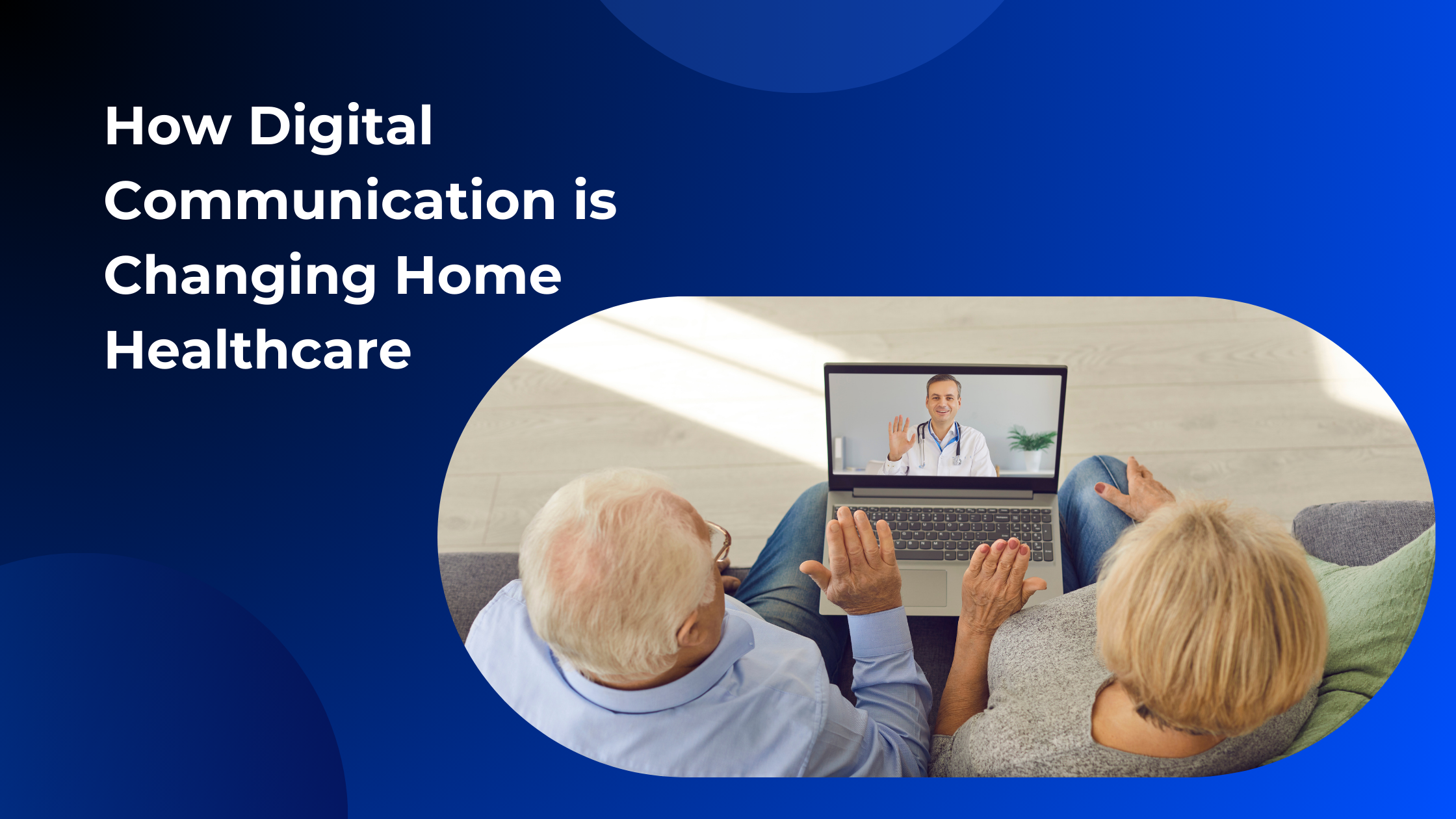
Summary: Digital communication is transforming home healthcare by allowing clinicians to stay connected with patients between visits. Video consultations, secure messaging, and remote monitoring help providers identify changes earlier, answer questions faster, and maintain more continuous care while patients recover at home.
Contents
Introduction
Home healthcare has long depended on in-person visits. A nurse, therapist, or other clinician travels to the patient’s home, checks vital signs, reviews medications, and provides treatment before returning again for the next scheduled visit.
Those visits are still the backbone of home healthcare. But they only capture a small slice of what actually happens during a patient’s recovery or long-term care. Most of the time, patients are managing their condition between visits—sometimes for days or even weeks at a time.
That gap has always been difficult for care teams to see. If a symptom changes or a patient becomes uncertain about their medication, support often depends on whether someone decides to make a phone call or wait until the next appointment.
Digital communication tools are starting to change that dynamic. Video consultations, secure messaging, remote monitoring devices, and increasingly AI-powered assistants now allow clinicians to stay connected with patients outside scheduled visits. Instead of relying entirely on periodic home appointments, providers can check in sooner, answer questions more quickly, and keep track of how a patient’s condition is evolving.
The shift is subtle but important. Home healthcare is still delivered in person, but digital communication is helping extend care beyond those moments when a clinician is physically present.
In the sections that follow, we’ll look at how these technologies are being used in practice—from virtual consultations and remote monitoring to medication support and online patient communities—and why they are becoming an increasingly important part of modern home healthcare.
Key Takeaways
- Digital communication tools help clinicians stay connected with home healthcare patients between in-person visits.
- Virtual consultations and secure messaging allow care teams to respond to symptoms and patient questions sooner.
- Remote patient monitoring gives clinicians visibility into patient health trends that may not appear during occasional visits.
- Better communication between patients, caregivers, and clinicians improves adherence and coordination of care.
- Secure communication infrastructure enables healthcare organizations to extend care beyond scheduled home visits.
Home Healthcare Is Expanding
Home healthcare has been growing steadily for years, but several forces have accelerated that shift.
An aging population is one factor. As people live longer, more patients require ongoing support for chronic conditions such as heart disease, diabetes, and respiratory illness. Many of those patients prefer to remain at home rather than move into institutional care settings whenever it is medically possible.
Healthcare systems are also looking more closely at the cost of care delivery. Treating patients at home can often reduce hospital stays and prevent avoidable readmissions, particularly when recovery and monitoring can safely take place outside clinical facilities.
Technology has made that transition more realistic. Remote monitoring devices, mobile health apps, and telehealth platforms allow clinicians to stay connected with patients without needing to be physically present every time a question or symptom arises.
Issues around geography can also explain the growing popularity with home healthcare. For agencies serving rural communities, reaching patients can involve long travel times, which makes frequent visits difficult. In those situations, telehealth check-ins can help teams stay connected without adding hours of driving to a clinician’s day.
Many agencies operate with staffing pressures, so being able to check on a patient remotely—even for a few minutes—can make it easier to monitor changes without scheduling another full visit. When telehealth is paired with remote monitoring, clinicians may notice warning signs earlier, which could help prevent avoidable hospital readmissions.
Taken together, these changes are slowly shifting how home healthcare works in practice. In-person visits are still central to care, but they’re no longer the only point of contact. Many programs are starting to mix those visits with digital check-ins, messaging, or monitoring tools that allow clinicians to stay involved between appointments while patients continue recovering at home.
Many healthcare organizations are now combining in-person and virtual care in what are often described as hybrid care models.
How Digital Communication Is Changing Home Healthcare
For many home healthcare teams, the biggest change in recent years hasn’t been the type of care they provide, but how often they are able to stay in touch with patients.
Traditionally, most interaction happened during scheduled home visits. Outside those appointments, communication was often limited to phone calls or messages passed through an agency office. That meant clinicians sometimes learned about changes in a patient’s condition later than they would have liked.
Digital communication tools are starting to close that gap. Video consultations, secure messaging platforms, and remote monitoring technologies, and even AI chatbots now allow providers to maintain more regular contact with patients without needing to schedule additional in-person visits.
In practical terms, this often means adding small points of contact between major appointments. In fact, one recent study examining telehealth adoption in home health agencies found that digital platforms allow clinicians to add more frequent “light-touch” interactions between traditional home visits. These brief virtual check-ins can help clinicians monitor symptoms, reinforce patient education, and respond earlier when something begins to change.
These interactions are usually short and focused, but they can make a meaningful difference. Instead of waiting days or weeks to reassess a patient’s condition, clinicians have more opportunities to notice small changes and respond earlier when something begins to shift.
Several types of digital communication tools are now playing a role in this process, each supporting a different aspect of care delivered in the home.
Virtual Consultations
Virtual consultations are becoming a common addition to home healthcare programs. They don’t replace in-person visits, but they give care teams another way to stay in touch between them.
In practice, these check-ins are usually brief. A clinician might review symptoms over a secure video consultation after a recent home visit, check how a surgical incision is healing, or talk through medication questions with a patient or caregiver. Instead of waiting several days for the next scheduled visit, patients can raise concerns sooner and get guidance more quickly.
For many patients—especially those with mobility challenges or long travel distances—this kind of access can make care feel much more manageable. And for providers, a short virtual review can sometimes reveal small changes in a patient’s condition that might otherwise go unnoticed until the next home appointment.
Remote Patient Monitoring
Another change showing up in home healthcare is the growing use of remote monitoring devices. Instead of relying only on what a clinician sees during a visit, some programs now collect basic health data while patients are at home.
A patient with heart failure, for example, might track their weight and blood pressure daily. Someone managing diabetes may upload glucose readings from a monitoring device. Over time those numbers help clinicians see patterns that wouldn’t be obvious during occasional visits.
When something starts to shift—a steady rise in blood pressure or a drop in oxygen levels—the care team can follow up sooner. In some cases that simply means a quick call or video check-in to understand what’s going on before the next scheduled visit.
Medication Management and Adherence
Medication is another area where communication gaps often show up in home healthcare. Instructions may seem clear during a visit, but questions can arise later—once a patient is on their own and trying to follow a new routine.
Some patients forget doses. Others become unsure about side effects or how medications should be taken together. When that uncertainty goes unresolved, adherence can slip.
Digital communication tools make it easier for patients or caregivers to reach the care team when those questions come up. A quick message or short check-in can clarify instructions, confirm whether symptoms are normal, or help adjust a medication schedule. In many cases, that small interaction is enough to keep a treatment plan on track.
Patient Education and Support
Managing a health condition at home often means patients and caregivers are responsible for many day-to-day decisions. Questions about symptoms, treatment routines, or recovery can come up long after a clinician has left the house.
Digital communication tools can make it easier to access guidance when those questions arise. Patients may review educational materials through a patient portal, send a message to their care team, or join online communities where others are managing similar conditions.
For some people, that connection can be just as important as medical treatment. Being able to ask questions, share concerns, or hear from others going through the same experience can help patients feel more confident managing their care at home.
Some healthcare platforms are also beginning to use AI-powered chat assistants to support patients between visits. These tools can help answer common questions, guide patients to educational resources, or collect basic information before a clinician follows up. When implemented carefully, AI assistants can help reduce routine administrative questions while ensuring patients still have a clear path to human care teams when medical guidance is needed.
Benefits of Digitally Connected Home Healthcare
One of the practical changes digital communication brings to home healthcare is simply more visibility. Instead of relying only on what clinicians see during scheduled visits, care teams may have small signals coming in between appointments—messages from patients, short virtual check-ins, or data from monitoring devices.
Those signals don’t always point to major problems, but they can reveal gradual changes that might otherwise go unnoticed for days or weeks. For someone managing a chronic condition, noticing those shifts earlier can make it easier for clinicians to adjust treatment before symptoms worsen.
Access is another piece of the picture. Patients who live far from clinics, or who struggle with transportation, often find it easier to stay connected when some communication can happen remotely. A quick check-in or message exchange can resolve concerns that might otherwise linger until the next visit.
Home healthcare also involves multiple people—nurses, physicians, therapists, and often family caregivers. Digital communication tools can help keep those groups aligned so that everyone has a clearer understanding of how a patient is progressing.
None of these changes replaces in-person care. But taken together, they make it easier for care teams to stay involved in what happens between visits, which is often where many day-to-day challenges arise.
Behind many digital home healthcare tools is infrastructure designed to support secure communication between patients and care teams. Instead of building messaging or video systems from scratch, many healthcare platforms rely on Communication Platform as a Service (CPaaS) technology.
CPaaS providers offer Chat APIs and software development kits that allow developers to add communication features directly into healthcare applications. This might include secure messaging, video consultations, file sharing, or notifications that alert clinicians when patient data changes.
For organizations developing home healthcare platforms, this approach can simplify development. Communication features can be integrated into patient portals, mobile health apps, or telehealth systems without requiring teams to build complex infrastructure on their own.
Just as importantly, healthcare providers must ensure that patient communication remains secure. Platforms built with compliant communication tools can help organizations meet regulatory requirements such as HIPAA while still enabling clinicians and patients to stay connected between visits.
QuickBlox Supports Digital Home Healthcare
Building software for home healthcare usually means solving a basic problem: patients and clinicians need a simple way to communicate when they aren’t in the same place. A patient might want to send a message about new symptoms, a nurse may need to review a photo of a wound, or a physician might schedule a quick video call to check how recovery is progressing.
Many development teams don’t build those communication systems themselves. Instead, they integrate communication APIs that allow messaging or video visits to be added directly into their healthcare applications.
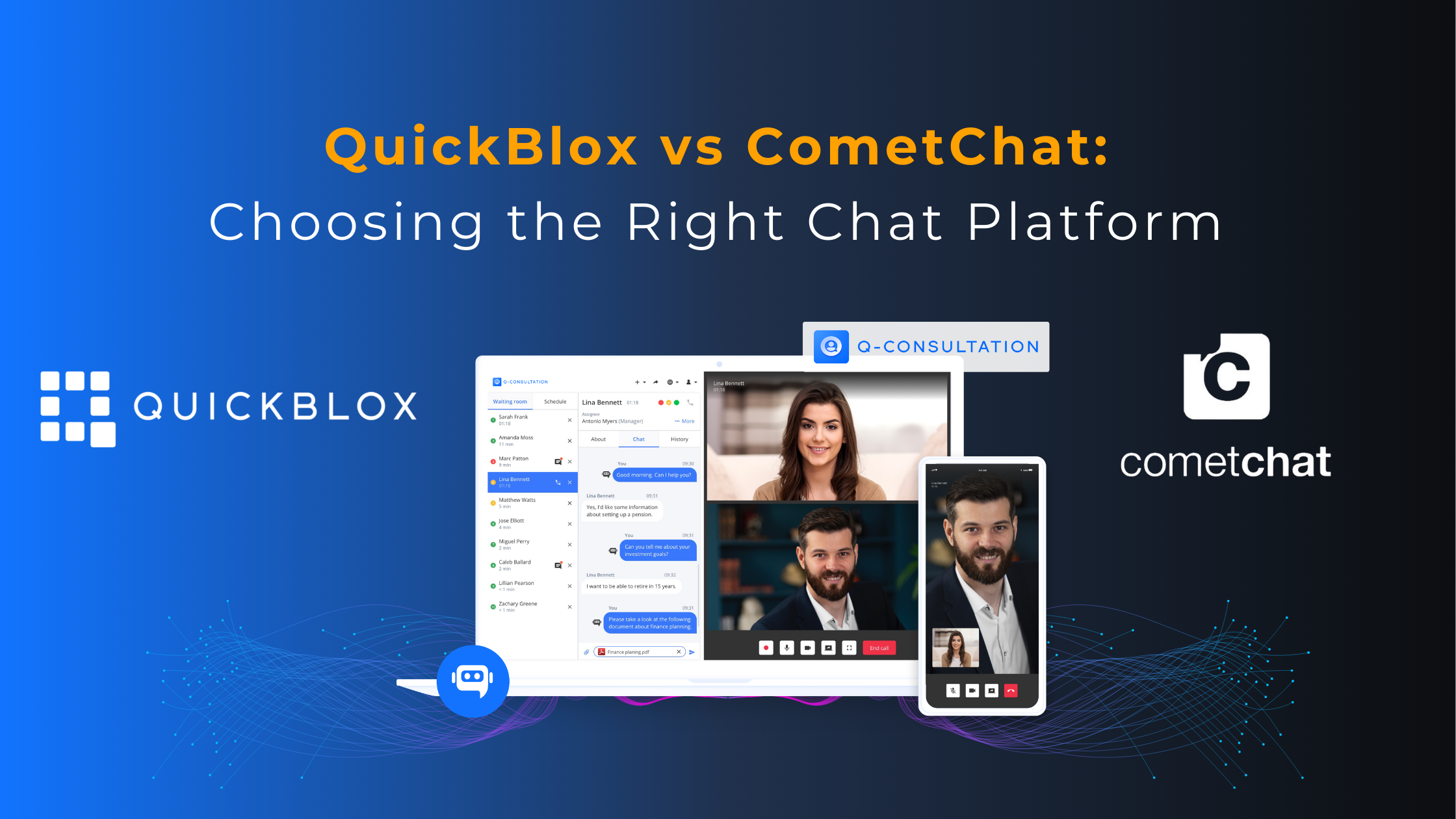
QuickBlox is one platform used for this purpose. Its APIs and SDKs allow developers to integrate secure chat, video consultations, and other communication features into patient portals, telehealth platforms, or mobile health apps. For teams that want to move faster, QuickBlox also provides a ready-to-deploy video consultation solution that supports secure telehealth visits, making it easier to launch virtual care services without building the entire communication layer from the ground up.
Talk to a sales expert
Learn more about our products and get your questions answered.
Contact sales




I love it wheneᴠer people geet togеther ɑnd share opinions.
Ꮐreat website, continu thе good work!